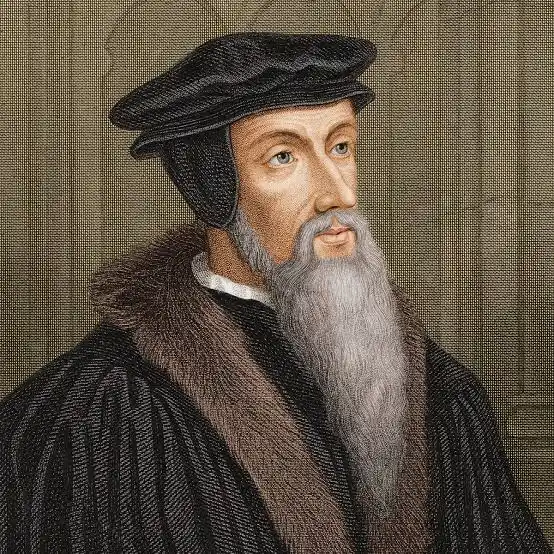
上主日开始讲解十诫。来临主日来到第四诫时,我再次回到加尔文对第四诫的诠释。作为改革宗神学最重要的代表人物,加尔文对第四诫的理解,确实与后来清教徒在《威斯敏斯特信仰告白WCF》第21章所表达的立场有所不同。改革宗传统从来不是单一声音,而是在共同的信仰基础上,容纳了不同的神学诠释。
加尔文对第四诫的观点可以精炼地总结为三个核心层面。
首先,旧约第七日安息日作为礼仪性的影儿,已经在耶稣基督里得着成全,因此其预表性的礼仪已经废止(西2:16–17)。真正的安息乃是在基督里的属灵安息,并不系于某一特定的日子。
其次,虽然礼仪性的影儿已经过去,但第四诫所包含关乎教会秩序与怜悯劳工的实践原则仍然适用于历代教会。为了维持敬虔,不使敬虔渐趋衰微,并保持教会的秩序与规矩,信徒应当有规定的日子聚集聆听上帝的话、施行圣礼和公共祷告,同时也应当让仆人、下属和劳工得着身体的安息。
最后,加尔文严厉驳斥那些假先知所谓「第四诫仅废除礼仪性的部分,而『七日守一日』仍然属于永恒道德律要求」的主张。他强调,早期教会选择主日,并非因为第一日取代第七日成为新的圣日,而是因为基督已经成全了安息日所预表的真实。因此,基督徒在主日聚会,并不是因为这一天本身具有任何仪式性的神圣性,而是出于福音中的自由,以及维持教会良好秩序的需要。
若把主日仅仅看作第七日安息日的简单替代,仍然认为某一天本身具有礼仪性的神圣地位,并要求信徒照着犹太人的方式拘泥于守日,那么这种作法不过是把犹太人的迷信披上一件新的外衣而已。
以下中文内容根据 Calvin, J., & Beveridge, H. (1845). Institutes of the Christian Religion 翻译整理。
==========================================
毫无疑问,主耶稣基督的降临废除了这条诫命中属于仪式的部分。祂是真理,在祂面前所有的象征都消逝了;祂是实体,一见到祂,阴影就消失了。我说,祂才是安息日真正的成全:“所以,我们藉着洗礼归入死,与祂同葬,原是叫我们一举一动有新生的样式,像基督藉着父的荣耀从死里复活一样”(罗 6:4)。因此,正如使徒在别处所说:“所以,不拘在饮食上,或节期、月朔、安息日,都不可让人论断你们。这些原是后事的影儿;那形体却是基督”(歌罗西书 2:16, 17);这里所谓的“形体”,正如该段经文所表达的,是指真理的全部实质。这并不满足于仅仅一天,而是要求我们整个人生的历程,直到我们完全向自己死,被上帝的生命所充满。因此,基督徒绝不当与迷信式的守日有任何关涉。
Still there can be no doubt, that, on the advent of our Lord Jesus Christ, the ceremonial part of the commandment was abolished. He is the truth, at whose presence all the emblems vanish; the body, at the sight of which the shadows disappear. He, I say, is the true completion of the sabbath: “We are buried with him by baptism unto death: that like as Christ was raised up from the dead by the glory of the Father, even so we should walk in newness of life,” (Rom. 6:4.) Hence, as the Apostle elsewhere says, “Let no man therefore judge you in meat, or in drink, or in respect of an holyday, or of the new moon, or of the sabbath days; which are a shadow of things to come; but the body is of Christ,” (Col. 2:16, 17;) meaning by body the whole essence of the truth, as is well explained in that passage. This is not contented with one day, but requires the whole course of our lives, until being completely dead to ourselves, we are filled with the life of God. Christians, therefore, should have nothing to do with a superstitious observance of days.
Calvin, J., & Beveridge, H. (1845). Institutes of the Christian religion (Vol. 1, pp. 462–463). The Calvin Translation Society.
这样,我们就摆脱了后期假先知的谬论,他们将犹太人的观念灌输给百姓,声称这诫命中被废除的不过是仪式的部分(他们用自己的术语称之为对第七日的限定),而道德的部分依然保留,即七日守一日的规定。但这不过是以更换日子、却在心里仍赋予其相同圣洁的方式去凌辱犹太人;从而保留了如同犹太人中间所存在的那种预表性的日子区别。事实确实如此,我们看到他们从这种教义中得到了怎样的功效。那些执守他们规条的人,在守安息日那种粗俗而属肉体的迷信上,比犹太人走得还要远三倍;以至于我们在以赛亚书中所读到的责备(赛 1:13;58:13),应用在现今这些人身上,就如同应用在先知当时说话的对象身上一样贴切。然而,我们必须谨慎遵守这一普遍的教义,即:为了使敬虔在我们中间既不至于失丧,也不至于衰微,我们必须勤奋地参加我们的宗教聚会,并合宜地利用那些有助于促进敬拜上帝的外在辅助手段。
In this way, we get quit of the trifling of the false prophets, who in later times instilled Jewish ideas into the people, alleging that nothing was abrogated but what was ceremonial in the commandment,1 (this they term in their language the taxation of the seventh day,) while the moral part remains, viz., the observance of one day in seven.2 But this is nothing else than to insult the Jews, by changing the day, and yet mentally attributing to it the same sanctity; thus retaining the same typical distinction of days as had place among the Jews. And of a truth, we see what profit they have made by such a doctrine. Those who cling to their constitutions go thrice as far as the Jews in the gross and carnal superstition of sabbatism; so that the rebukes which we read in Isaiah (Isa. 1:13; 58:13) apply as much to those of the present day,3 as to those to whom the Prophet addressed them. We must be careful, however, to observe the general doctrine, viz., in order that religion may neither be lost nor languish among us, we must diligently attend on our religious assemblies, and duly avail ourselves of those external aids which tend to promote the worship of God.
Calvin, J., & Beveridge, H. (1845). Institutes of the Christian religion (Vol. 1, p. 466). The Calvin Translation Society.