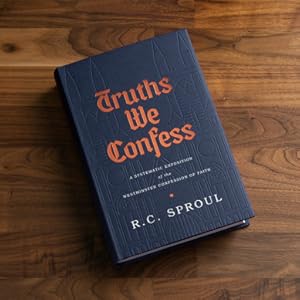
史普罗(R.C. Sproul)指出,圣经的“双重预定”教义必须谨慎地区分对该教义的正确与错误理解。错误的“双重预定观”主张:上帝以同样的方式积极地使人得救,也积极地使人犯罪灭亡。正确的“双重预定观”强调一种“正面—负面”的理解:上帝主动施恩使选民得救,只是任凭未选者留在他们自愿的罪性中自愿犯罪。这样的区分既维护了上帝主权的绝对性,也表明上帝并非人犯罪的始作俑者。
史普罗(R.C. Sproul)著,《我们所承认的真理:〈威斯敏斯特信仰告白〉导论》,第3章:上帝永恒的旨意。R.C. Sproul : The Truths We Confess: A Layman’s Guide to the Westminster Confession of Faith, Chapter 3 – God’s Eternal Decree
信仰告白的起草者在将措辞从“预定得永生”(predestined unto everlasting life)改为“预旨至永死”(foreordained to everlasting death)时,心中有其神学上的考量。一个令人困惑的议题是所谓的“双重预定”。有些基督徒认为圣经确实教导“预定论”,但只教导“单重预定”:上帝拣选一些人得救,却没有预先定那些被弃绝的人下地狱。他们认为上帝的旨意只有正面的层面,没有负面的层面。
The framers of the confession had something theological in mind when they changed the terminology from predestined unto everlasting life to foreordained to everlasting death. One area of confusion is the question of so-called double predestination. Some Christians believe that the Bible teaches predestination, but only single predestination: God elects some to salvation, but does not predetermine the reprobate to damnation. They think that God’s decree is only positive; it has no negative dimension to it.
“改革宗”之所以称此教义为“双重预定”,是因为它同时包括了“拣选”(正面的一面)(the positive side) 与“弃绝”(负面的一面)(the negative side)。我们持有这一立场的人(有一句形象的说法称之为“要么双重,要么全无”) 必须谨慎地表达这一教义。即使除了一个人以外,其他所有人都被永远预定得救,而只有那一个人不是,被弃绝的问题依然存在。我们必须面对这样的事实:至少有一个人不在被拣选的范围之内。因此,世上有被拣选的,也有未被拣选的。除非人人都被拣选,否则我们无法逃避这个问题。只要“特殊救赎” particularism(非人人被拣选)与“普救论” universalism(人人被拣选)之间的区分存在,我们就必须正视“拣选的另一面”——也就是“双重预定”的问题。
The Reformed view is called double predestination because it includes both election (the positive side) and reprobation (the negative side). We who hold this view (a catchphrase for which is “double or nothing”) need to be cautious in how we articulate it. If everybody but one were eternally foreordained or predestinated to salvation, and only one were not, the problem would still remain. We must deal with the reality that at least one person falls outside the category of the elect. So there are the elect and the nonelect. We can escape that problem only if everybody is elect. As long as the distinction between particularism (not everyone is elect) and universalism (everyone is elect) exists, we must face the problem of the flip side of election, or double predestination.
为了与圣经所教导的“预定论”保持一致,我们必须肯定“双重预定”。然而,仅仅提出这一主张仍不足够,我们也必须区分“双重预定”的不同观点。在《意志的捆绑The Bondage of the Will》一书中,马丁·路德在回应伊拉斯谟的“半伯拉纠主义”论战时,费力地阐明了这种区分。
To be consistent with the biblical doctrine of predestination, we must affirm double predestination. It is not enough, however, just to make that assertion. We should also distinguish between different views of double predestination. In his book The Bondage of the Will, Martin Luther labors this distinction in responding to Erasmus’s semi-Pelagian diatribe.
有一种“双重预定”的观点,其拥护者通常被称为“极端加尔文主义者”(hyper-Calvinists),他们主张“拣选”与“弃绝”的旨意是对称的。这意味着,无论拣选还是弃绝,都是上帝以同等方式所命定,并以祂的神圣介入加以成就的。对于被拣选的人而言,上帝在他们的生命中介入,在他们心中赐下信心,使他们得以进入救恩的状态。同样地,上帝也以类似的方式介入那些被弃绝者的生命,在他们心里使之刚硬,或生出新的邪恶,从而成为他们被公义定罪与弃绝的根据。
One kind of double predestination, advocates of which are usually called hyper-Calvinists, argues that the decrees of election and reprobation are symmetrical. This means that both election and reprobation are equally ordained and enforced by divine intervention. With respect to the elect, God intervenes in their lives to create faith in their souls and bring them to a state of salvation. In like manner, God intervenes in the lives of the reprobate to create a hardness of heart, or a fresh evil in their heart, which becomes the grounds of their justifiable damnation and reprobation.
圣经教导我们,例如,上帝使法老的心刚硬。根据路德的理解,上帝这项称为“使人刚硬”的审判行为包含两个重要的概念。贯穿整本圣经,上帝的审判常以一种“诗意的公义”的方式显明或解释出来,也就是上帝任凭人随从他们原有的邪恶倾向。在最终的审判中,约翰写道:“不义的,叫他仍旧不义”(启22:11)。在他对未被拣选之人的审判中,上帝任凭他们放纵自己罪恶的私欲——这是圣经中一再出现的主题。
上帝并不需要在法老心中产生新的邪恶来成就祂拯救所拣选子民的旨意,因为法老心里早已充满了足以定他罪到永远的邪恶。上帝只需撤去那原本抑制他罪恶的恩典,让他随从自己的心意行事。如此,上帝便使法老的心刚硬。这正是人类罪性的自然结果。
The Bible teaches, for example, that God hardened Pharaoh’s heart. According to Luther, the act of God’s judgment called hardening involves two important concepts. Throughout Scripture God’s judgment is often manifested or explained in terms of a kind of poetic justice, in which he gives people over to their already evil inclinations. In the final judgment, writes John, “he who is unjust, let him be unjust still” (Rev. 22:11). In his judgment on the nonelect, God gives them over to their sinful desires, a common concept throughout Scripture. God did not need to create fresh evil in Pharaoh’s heart to redeem his chosen people. There was already enough evil in his heart to last forever. God needed only to withhold from Pharaoh whatever grace was restraining his wickedness and to allow him his way. By doing this, God hardened Pharaoh’s heart. Such is the natural consequence of our own sinfulness.
“改革宗”神学拒绝这种“双重预定”的看法,这种看法通常被称为“同等终极论”(equal ultimacy)。根据这种主张,上帝在拣选者身上积极地动工,使他们产生信心;同时也在被弃绝者身上积极地动工,阻止他们相信。若真是如此,“上帝不公平”的指控便显得有理,因为那样一来,法老只是被迫去做上帝使他去做的事而已。
Reformed theology rejects this form of double predestination, which is often called equal ultimacy. According to this idea, God works positively in the elect to bring about faith, and also works positively in the reprobate to prevent faith. If this were so, the charge of unfairness would be understandable. Pharaoh was only doing what God was forcing him to do.
宗教改革的“双重预定”教义并非那种对称的、正面—正面的看法,而是“正面—负面”的教义理解。当上帝在(尚未发生的人类堕落)这一前提下,制定祂关于救赎与弃绝的永恒旨意时,祂拣选部分人的决定,是基于祂对人类将需要救赎的预知。上帝的救恩旨意,乃是建立在祂对堕落世界的预知之上。
当上帝审视整个人类时,祂知道他们每一个人都死在罪恶过犯之中,堕落、败坏、敌挡祂,对属神的事毫无倾向。所有人都成为罪的奴仆,不肯在心思中留有上帝,随从今世的风俗,顺服那在空中掌权者的势力而行。这就是堕落、败坏的人类在上帝制定拣选旨意时所处的光景。在这群背叛者当中,上帝凭着祂的怜悯,拣选部分人得救,并以祂特别的救赎之恩临到他们。
The Reformation view of double predestination is not this symmetrical, positive-positive view, but rather a positive-negative view. When God made his eternal decrees of salvation and reprobation in light of the (still future) fall, his decision to elect some people was based on his knowledge that people would need salvation. God’s decree of salvation is based on his knowledge of a world that is fallen. Contemplating the whole of humanity, God knew that every last one of them would be dead in sin and trespasses, fallen, corrupt, hostile to him, having no inclination toward divine things. Every one of them would be a slave to sin, refusing to have God in their thinking, walking according to the course of this world and the power of Satan. That is the condition of fallen, corrupt humanity that God sees when decreeing election. Out of this group of rebels, God, in his mercy, elects to save some and to visit them with his special grace of redemption.
祂积极地介入他们的生命,使他们从属灵的死亡中复活,并在他们心中动工,赐下信心,使他们满足得救的条件。至于其余的人,祂任凭passes over他们,仍然留在自己的罪中。祂并没有强迫他们不信,但祂知道,若非祂介入,他们必会持续在不信中,最终走向沉沦。在怜悯的一面,上帝介入人的生命,使他们的救恩得以成就;而在另一面,祂不加以介入,任凭人随己意而行leaving people to their own devices。
He positively intervenes in their lives to quicken them from spiritual death and to work faith in their hearts, thereby meeting the condition for salvation. The others he passes over, leaving them in their sin. He does not force them into unbelief. But he knows that unless he intervenes, they will indeed persist in unbelief and end up in damnation. On the mercy side of the ledger, God intervenes in people’s lives and brings their salvation to pass; on the other side, he does not intervene, leaving people to their own devices.