控制源(Locus of Control),在世俗心理学中,指人们如何看待掌管自己生命的各种力量。从圣经的世界观来看,控制源的理解必须建立在上帝的绝对主权与人的责任之上。
•外在控制源External Locus of Control(世俗定义:认为人生结果由命运、运气或外部力量决定):
基督徒不相信命运或偶然,而是坚信:一切都在那位满有智慧与慈爱、全然掌权并施行护理的上帝手中。神的儿女的生命并非混乱无序,而是由那位按祂旨意掌管万有的主所引导与成就(赛46:9–10;太10:29–31;罗11:36)。
•内在控制源Internal Locus of Control(世俗定义:认为人生结果由个人的努力、能力或选择所决定):
虽然世俗世界鼓吹个人自主,强调人是命运的主宰,但圣经告诉我们:人的选择和行动是有意义的,并要向上帝交账。我们被呼召要以智慧、信实、负责任的态度来做决定,因为上帝在祂的主权计划中使用人的决策来成就祂的旨意(箴11:14;箴15:22;箴16:9;加6:7–8;腓2:12–13)。
作为基督徒,我们认信这两个层面:一方面,我们对自己的选择负有完全的责任;另一方面,上帝也完全掌管我们的人生与最终结局。这两者并非相互对立、需要我们在其中寻求某种平衡,而是在上帝完美的智慧中真实并存的真理。
在实际生活中,基督徒应当在有限的时间、能力与精力之内尽忠职守,做出智慧、敬虔且负责任的抉择。同时,我们也当安息在这不变的真理里:上帝掌控一切的过程与结果。
正如耶稣既是完全的神,又是完全的人,这虽然超越人类理性,却是真实存在的奥秘;同样地,上帝的主权与人的责任也是两项在圣经中并行不悖的真理。虽然我们有限的理性无法完全调和,但我们就凭信心接受,因为这是上帝在祂的启示中所清楚教导的。
有些对真理认识尚浅的基督徒,会质疑上帝是否真的掌管他们的生命和一切。耶稣说:“两个麻雀不是卖一分银子吗?若是你们的父不许,一个也不能掉在地上”(太10:29)。当我们未能深刻认识并信靠这一真理,尤其在面对苦难或生活失控之时,就会容易陷入恐惧和焦虑,甚至忘记我们的生命早已在祂手中。结果,我们便难以安息在祂的应许中,那应许宣告:祂必带领我们到底(腓1:6;赛46:4)。
另有一些对真理理解不完全的基督徒,过度强调上帝的主权,因此忽视了自己应尽的责任:既不计划,也不寻求建议,更不作出智慧明智的决策。他们可能会把上帝的主权作为逃避责任的借口。但圣经明确指出,这是一种愚昧的态度:“殷勤筹划的,足致丰裕;行事急躁的,都必缺乏”(箴21:5)。耶稣也说:“人种的是什么,收的也是什么”(加6:7),提醒我们:即便在上帝主权的掌管之下,我们的行为依然具有真实的果效。
总结而言,忠心的基督徒会同时持守这两项真理:上帝的主权与人的责任。他们一方面在祷告中完全依靠上帝,因为知道祂掌管一切;另一方面也会在有限的时间、精力与理解力之内,尽力做出智慧与敬虔的选择。当我们尽了本分之后,便能安息在那位全然掌权上帝所成就的结果中。
非基督徒常常在所谓“外在控制源”与“内在控制源”的张力中挣扎。这两个术语源自世俗心理学。由于缺乏圣经真理的光照,他们便容易在两个极端之间摇摆。一方面,有些人依赖“命运”的观念(即外在控制源),却并不认识那位慈爱并全然掌权的上帝;另一方面,也有人高举“完全的人类自主”(即内在控制源),坚信每个人都是自己命运的终极主宰。
即使他们在理性层面上承认,这两种因素可能在人生中同时存在,非基督徒却缺乏一个足够连贯且有说服力的框架,来说明这两个看似矛盾的现实如何能有意义地共存。然而,基督徒之所以能够同时肯定上帝的主权与人的责任,是因为我们有从神而来的启示作引导,就是祂藉着圣经所赐下、出于恩典的真理。
图:控制源的世俗理念。
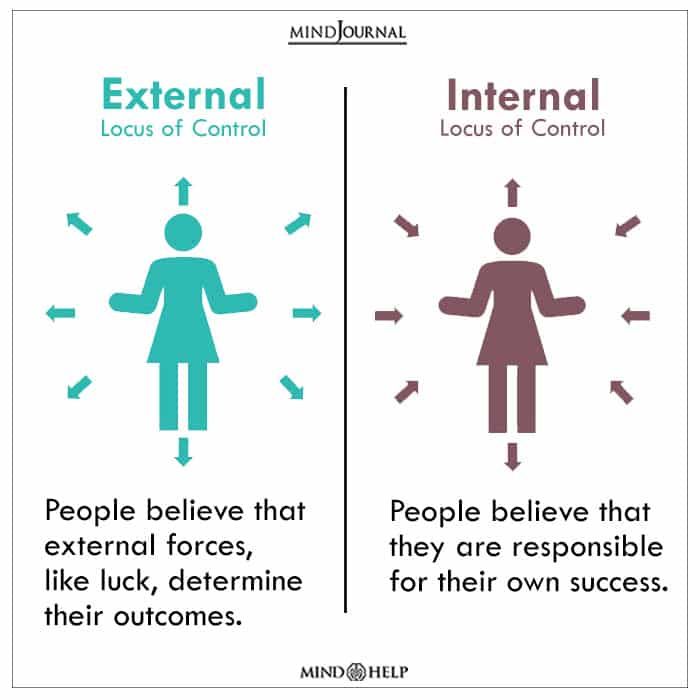
Locus of control, in secular terms, refers to how people perceive the forces that shape their lives. In a biblical worldview, this is understood through the lens of God’s absolute sovereignty and human responsibility.
• External Locus of Control (secularly defined as the belief that outcomes are determined by fate, luck, or external forces):
Rather than attributing life’s outcomes to chance or fate, Christians believe that all things are governed by God’s wise and loving providence. Life is not random but directed by the sovereign hand of Him who ordains all things according to His will (Isa 46:9–10; Matt 10:29–31; Rom 11:36).
• Internal Locus of Control (secularly defined as the belief that outcomes are determined by one’s own efforts, abilities, or choices):
While secular views promote personal autonomy and the idea that individuals are the ultimate masters of their destiny, the Bible teaches that human choices matter within the framework of God’s sovereign will. We are accountable to God and are called to act wisely, responsibly, and faithfully, knowing that He works through our decisions as part of His sovereign plan (Prov 11:14; Prov 15:22; Prov 16:9; Gal 6:7–8; Phil 2:12–13).
As Christians, we affirm both aspects: we are fully responsible for our decisions, and God is fully sovereign over our destinies. These truths are not opposing forces that we must try to balance, as if we need to find a midpoint between them—they are both fully true at the same time.
In practice, we are called to do our best within our limited time, limited abilities, and limited strength: to make wise, responsible, and faithful decisions. At the same time, we rest in the unshakable truth that God is in control of all events and outcomes.
Just as Jesus is both fully God and fully man—a mystery that surpasses human reasoning—so too, God’s sovereignty and human responsibility are two realities that coexist without contradiction in God’s perfect wisdom. Though our finite minds may not fully reconcile them, we receive both as revealed truths in Scripture.
Some misinformed Christians struggle to believe that God is truly in control of their lives and all matters. As Jesus said, “Are not two sparrows sold for a penny? And not one of them will fall to the ground apart from your Father” (Matt 10:29). When believers fail to deeply grasp and trust this truth, they may become prone to fear and anxiety, forgetting that the destiny of our lives rests in God’s hands. In doing so, they neglect to rest in God’s promises—that He will sustain and guide us to the end of our life’s journey (Phil 1:6; Isa 46:4).
On the other hand, some misinformed Christians focus only on God’s sovereignty and may misuse it as an excuse to neglect personal responsibility—failing to plan, seek wise counsel, or make thoughtful decisions. But Scripture clearly teaches that such neglect is foolishness: “The plans of the diligent lead surely to abundance, but everyone who is hasty comes only to poverty” (Prov 21:5). Apostle also warned, “For whatever one sows, that will he also reap” (Gal 6:7), reminding us that our actions carry real consequences, even under God’s sovereign rule.
In conclusion, faithful Christians who embrace both truths—God’s sovereign control and human responsibility—will be marked by prayerful dependence, knowing that God governs all things, and by responsible action, making wise decisions within the limits of time, strength, and understanding. After acting faithfully, we rest in the outcomes, trusting the One who is always in control.
Non-Christians often struggle with the tension between what is commonly referred to in secular terms as an External Locus of Control and an Internal Locus of Control. Due to a lack of illumination from biblical truth, they tend to swing to one extreme or the other. On one hand, some rely on the idea of fate (External Locus of Control), yet they do not know a personal and sovereign God who governs all things. On the other hand, others embrace the notion of complete human autonomy (Internal Locus of Control), believing that each individual is the ultimate master of their own destiny.
Even if they intellectually acknowledge that both dimensions may coexist in human life, non-Christians lack a sufficient and coherent framework to explain how these realities can meaningfully coexist. Christians, however, are able to affirm both divine sovereignty and human responsibility, because we are guided by divine revelation—truth graciously made known to us by God through Scripture.
Figure: Secular Views of Locus of Control